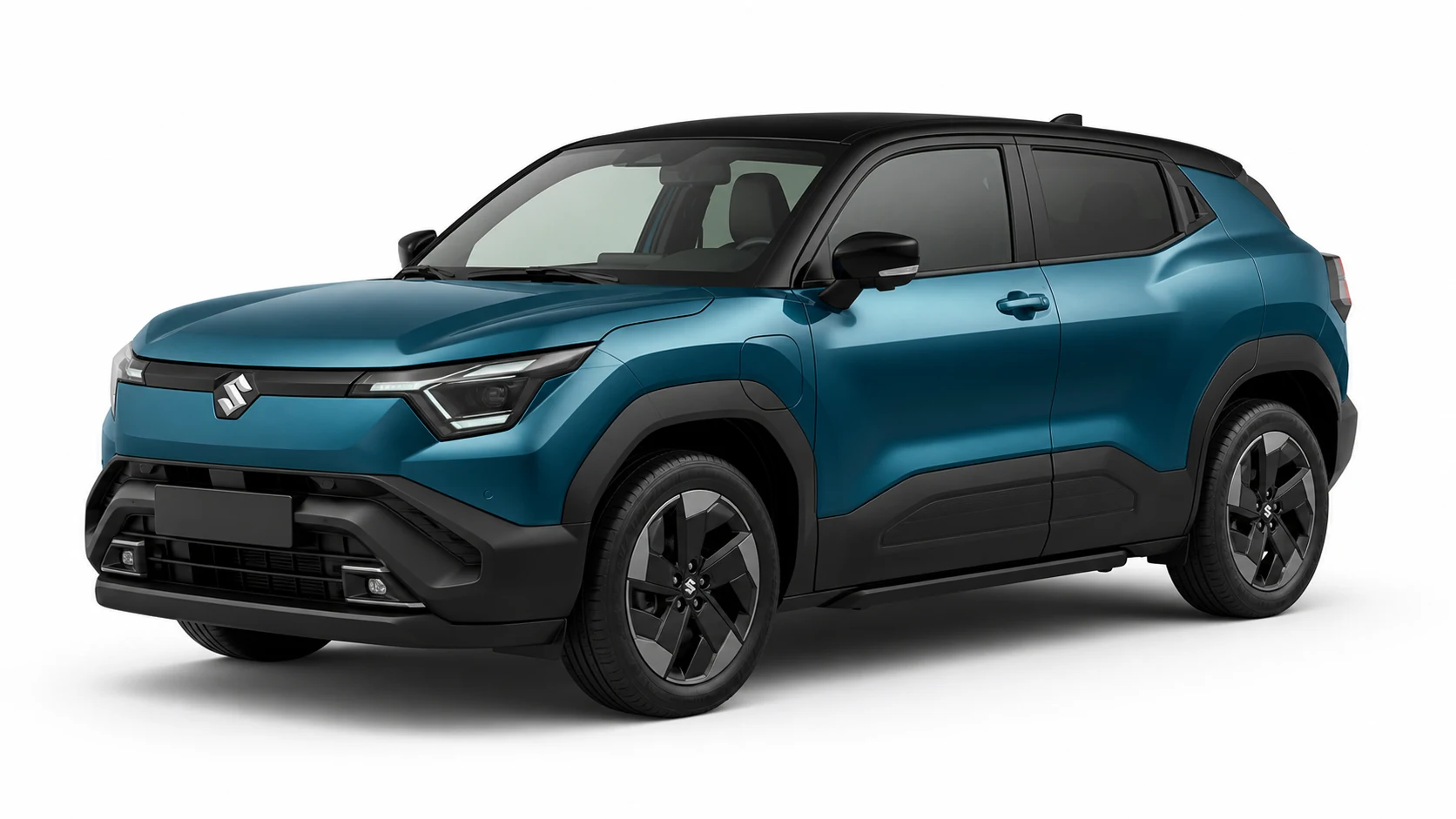
The 2026 Suzuki e Vitara is a battery-electric SUV with FWD and seating for 5. It belongs to the e Vitara (Gen 1) generation. The 49 kWh 2WD is the version described here, and the figures below refer to that configuration unless noted otherwise.
Performance
The featured 49 kWh 2WD version develops 144 hp and 189 Nm (139 lb-ft) of torque. Its power output is about 60% below the peer average. The figures establish its straight-line performance on paper, but they do not substitute for measured braking, handling or ride-quality tests.
Battery, range and charging
Battery capacity is listed at 49.0 kWh. Real-world range and charging speed still depend on temperature, speed, wheel choice, battery state and the conditions of the test cycle.
Dimensions and practicality
Its exterior dimensions are 4,275 mm (168.3 in) in length, 1,800 mm (70.9 in) in width, and 1,635 mm (64.4 in) in height, while the wheelbase measures 2,700 mm (106.3 in). The cabin is configured for 5 occupants. Listed curb weight is 1,702 kg (3,752 lb). The measurements are useful for comparison, although seat comfort, access and the shape of the load area still need to be judged in person.
The model range
The recorded line-up consists of 49 kWh 2WD, 61 kWh 2WD, and 61 kWh ALLGRIP-e. Across the range, the specifications span 144 hp to 184 hp. Drivetrain, battery or engine choice, wheels and market equipment can all change the final figures, so the version table should be used when choosing between them.
In perspective
Compared with nearby battery-electric SUV models from the same period, the 2026 Suzuki e Vitara does not separate itself through a single dominant headline figure, while power stands out as the principal numerical compromise. That conclusion is drawn from the recorded specifications rather than a road test. A final choice should also account for local pricing, equipment, comfort and a test drive.
Prepared by CarsbySpec. Peer context: 2025-2027 battery-electric SUVs in the CarsbySpec database. This page is built from the structured specifications displayed here; missing values are not estimated. Read the methodology.