Performance, power and 0-100 km/h
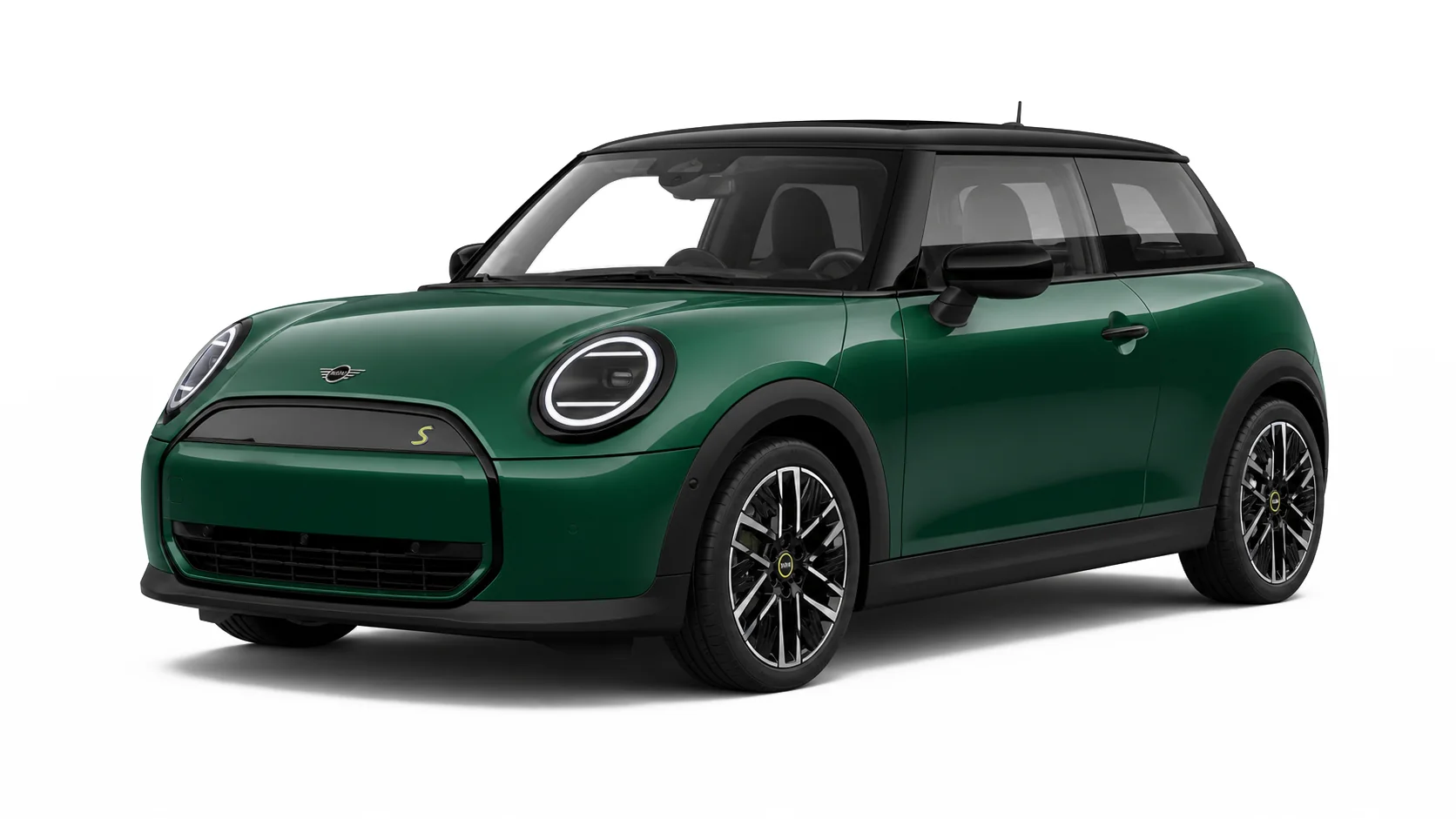
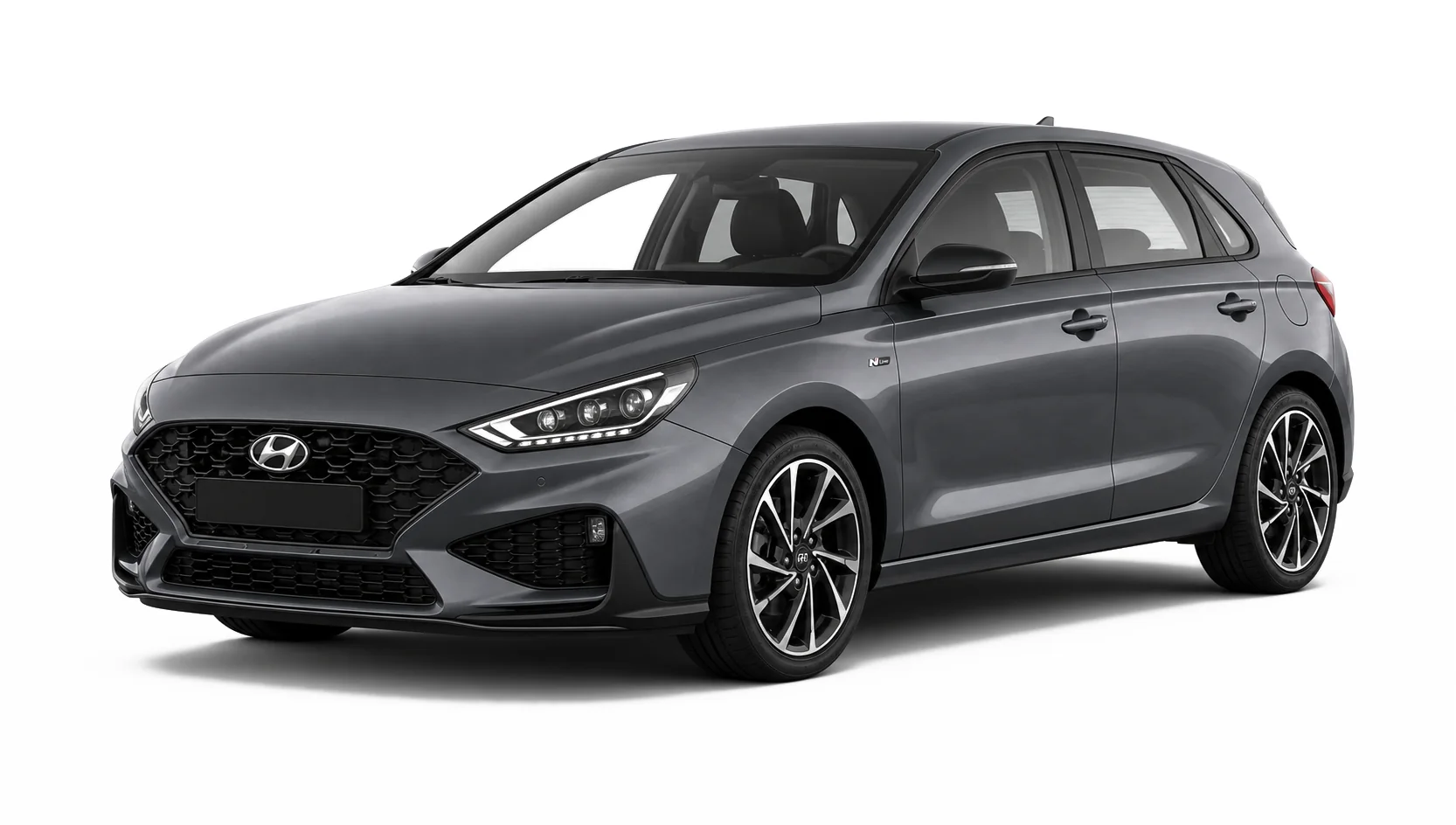
2025 MINI Cooper SE has the quicker recorded 0-100 km/h time at 6.7 seconds, compared with 8.2 seconds for 2025 Hyundai i30 1.5 T-GDi. 2025 MINI Cooper SE has the higher listed output at 218 hp; 2025 Hyundai i30 1.5 T-GDi is rated at 160 hp, a difference of 58 hp. The torque figures follow 2025 MINI Cooper SE at 330 Nm and 2025 Hyundai i30 1.5 T-GDi at 253 Nm. These figures describe straight-line potential only; they do not establish braking performance, ride quality, steering response or durability under repeated hard use.
Range, battery, charging and efficiency
Range and energy-use figures are either not shared by both cars or not directly comparable across these powertrain types.
Dimensions, cargo space and towing
2025 Hyundai i30 1.5 T-GDi provides the larger quoted cargo volume: 395 litres versus 200 litres, a difference of 195 litres. 2025 Hyundai i30 1.5 T-GDi is 478 mm longer overall. Exterior size is not a benefit by itself: a longer body may create useful room, but cargo shape, rear-seat space and ease of parking still require a physical inspection.
Price and overall assessment
2025 Hyundai i30 1.5 T-GDi has the lower listed starting price at $26,800, compared with $36,900 for 2025 MINI Cooper SE. The measured categories split evenly, so the better choice depends on which attributes matter most. The assessment is based on the specifications shown here; it is not presented as a two-car road test.